Picture this: You’re running a successful business, and for years, you’ve played by the rules of traditional search engine optimization. You’ve carefully crafted your content around keywords, built backlinks, and watched your website climb the Google rankings. But suddenly, the game is changing. Artificial intelligence is reshaping how people search for information, and your carefully planned SEO strategy might need a complete overhaul.
Welcome to the world of Generative Engine Optimization (GEO), where the future of search is being rewritten by AI-powered tools like ChatGPT, Google’s Bard, and Microsoft’s Bing Chat. As a business owner, understanding the difference between traditional SEO and this emerging GEO approach could mean the difference between staying ahead of your competition or getting left behind in the digital dust.
In this comprehensive guide, we’ll explore the fundamental differences between SEO and GEO, help you understand what GEO means for your business, and show you how to prepare for this exciting transformation in the search landscape. Whether you’re a seasoned digital marketing veteran or just starting to build your online presence, this shift affects everyone.
Understanding Traditional SEO: The Foundation We’ve Built On
Before diving into the new world of generative engines, let’s take a moment to appreciate what traditional SEO has given us. Search Engine Optimization has been the backbone of digital marketing for over two decades, helping businesses connect with customers through search engines like Google, Bing, and Yahoo.
Traditional SEO focuses on optimizing your website and content to rank higher in search engine results pages (SERPs). The process involves several key components that most business owners have become familiar with over the years.
⦁ The Core Elements of Traditional SEO
When we talk about traditional SEO, we’re referring to a well-established system that includes keyword research, on-page optimization, technical SEO, and link building. Your website’s success depends on how well you can signal to search engines that your content is relevant, authoritative, and useful for specific search queries.
Content creation plays a massive role in this process. You’ve probably spent countless hours researching what your customers are searching for, then creating blog posts, product pages, and landing pages that target those specific keywords. The goal has always been to appear on the first page of Google results, ideally in the top three positions where most clicks happen.
Technical aspects like site speed, mobile responsiveness, and proper HTML structure have become just as important as the content itself. Search engines need to easily crawl and understand your website to rank it appropriately for relevant searches.
Link building remains another crucial component of traditional SEO. When other reputable websites link to your content, search engines view this as a vote of confidence in your expertise and authority. This has led to entire industries focused on earning and building high-quality backlinks.
What Is GEO and Why Should Business Owners Care?
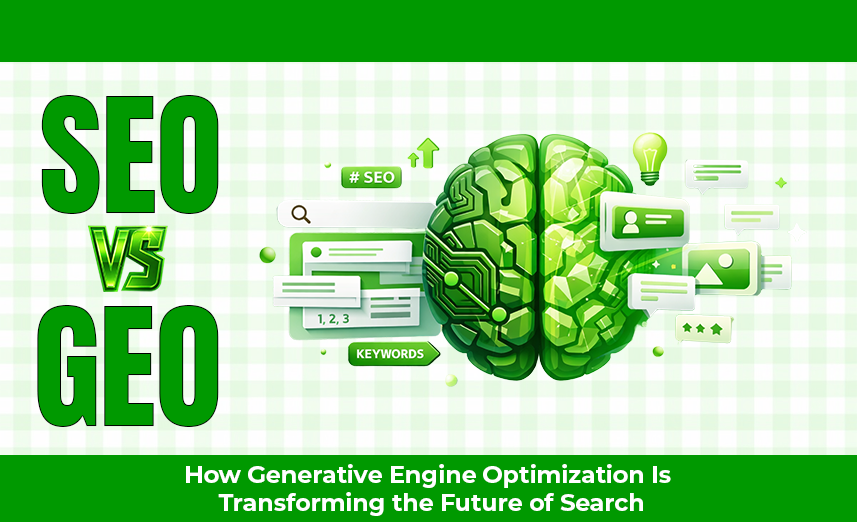
Now, let’s shift our attention to the newcomer that’s causing quite a stir in the digital marketing world: Generative Engine Optimization, or GEO. This isn’t just another marketing buzzword – it represents a fundamental shift in how people find and consume information online.
GEO focuses on optimizing your content for AI-powered search tools and chatbots that generate direct answers rather than providing lists of links to click through. Instead of showing ten blue links like traditional search engines, these generative AI tools provide comprehensive, conversational responses that synthesize information from multiple sources.
⦁ How Generative Engines Work Differently
Think about the last time you used ChatGPT or asked Google’s AI-powered search a complex question. Instead of getting a list of websites to visit, you received a detailed, personalized answer that felt like talking to a knowledgeable expert. This is the core difference between traditional search and generative search.
Generative engines don’t just index and rank web pages; they understand, synthesize, and generate new content based on the information they’ve learned from across the internet. When someone asks a question, these AI systems pull relevant information from multiple sources and create a unique, comprehensive response.
For business owners, this means your potential customers might never actually visit your website, even if your content was used to generate the answer they received. The AI system could reference your expertise and information without sending the user directly to your site.
The Key Differences Between SEO and GEO
Understanding the differences between SEO and GEO is crucial for adapting your digital marketing strategy. While both approaches aim to increase your visibility in search results, they operate on fundamentally different principles.
⦁ Content Strategy Differences
Traditional SEO has trained us to think in terms of individual pages targeting specific keywords. You might create one page optimizing for “best coffee shops in Seattle” and another for “Seattle coffee shop reviews.” Each page serves as a standalone piece designed to rank for particular search terms.
GEO requires a more holistic approach to content creation. Instead of focusing on individual keyword-optimized pages, you need to think about becoming an authoritative source of comprehensive information on topics relevant to your business. Generative engines look for depth, expertise, and comprehensive coverage of subjects rather than keyword density or specific optimization techniques.
The content format also shifts significantly. While traditional SEO content often follows specific formulas (like including keywords in titles, headers, and throughout the text), GEO content needs to be more natural, conversational, and comprehensive. AI systems can better understand context and meaning, so keyword stuffing becomes not just unnecessary but potentially counterproductive.
⦁ User Intent and Interaction Changes
Traditional search typically involves users typing short phrases or questions and then clicking through to various websites to find complete answers. Users expect to visit multiple sites, compare information, and piece together their understanding from different sources.
Generative search changes this dynamic completely. Users can ask complex, multi-part questions and expect comprehensive answers immediately. They’re having conversations with AI systems rather than conducting traditional searches. This means your content needs to anticipate and answer more nuanced questions that might come up in these AI conversations.
The interaction becomes more dynamic and personalized. While traditional search results are relatively static (everyone searching for “pizza delivery” sees similar results), generative engines can provide personalized responses based on the specific context and follow-up questions in each conversation.
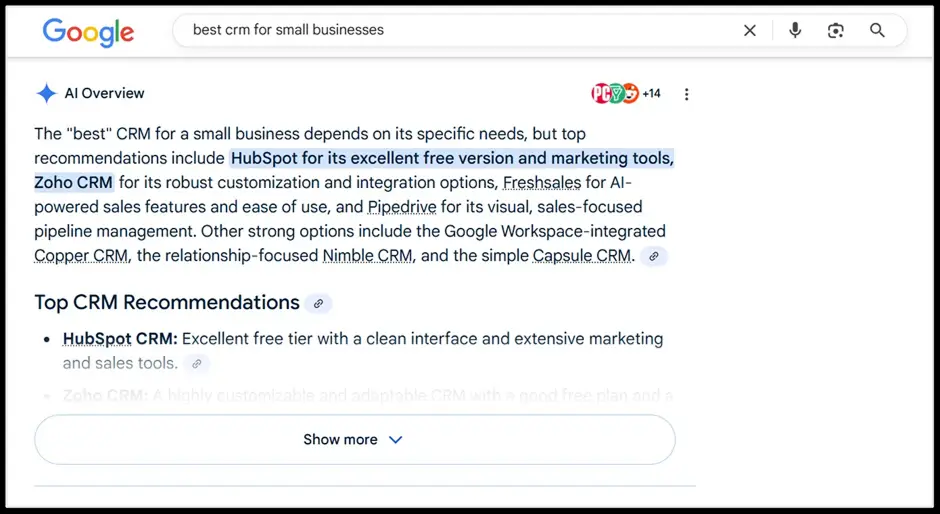
How AI Integration Is Changing Search Behavior
The integration of AI into search represents more than just a technological upgrade – it’s fundamentally changing how people seek and consume information online. As a business owner, understanding these behavioral shifts helps you prepare for the future of customer acquisition and engagement.
⦁ The Rise of Conversational Search
More people are getting comfortable asking AI systems complex, conversational questions rather than typing keyword phrases into search boxes. Instead of searching for “restaurant near me,” users might ask, “What’s a good place for a romantic dinner tonight that serves Italian food and isn’t too expensive?”
This shift toward conversational search means your content strategy needs to evolve beyond simple keyword targeting. You need to think about the natural language your customers use when discussing their problems, needs, and questions related to your business.
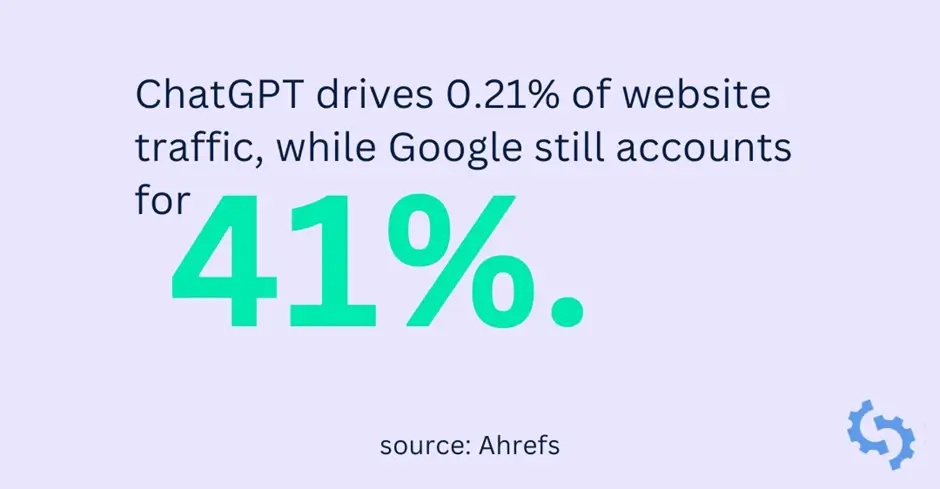
⦁ Immediate Answer Expectations
Generative AI has raised user expectations for immediate, comprehensive answers. People no longer want to click through multiple websites to piece together information. They expect AI systems to synthesize information and provide complete, actionable responses right away.
For businesses, this creates both challenges and opportunities. The challenge is that users might never visit your website, even if your content helps inform their decisions. The opportunity lies in positioning your business as a primary source of authoritative information that AI systems regularly reference and recommend.
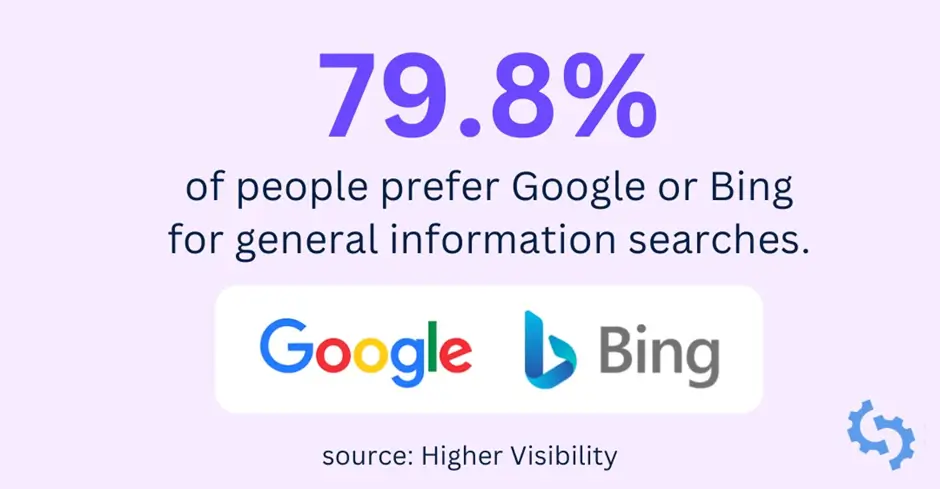
Preparing Your Business for the GEO Era
Transitioning from traditional SEO to a GEO-friendly approach doesn’t mean abandoning everything you’ve learned about digital marketing. Instead, it requires expanding your strategy to account for how AI systems discover, understand, and utilize your content.
⦁ Building Authority and Expertise
In the age of generative engines, demonstrating genuine expertise becomes more important than ever. AI systems are sophisticated enough to recognize authoritative sources and comprehensive information. This means investing in high-quality, expert-level content that thoroughly covers topics relevant to your business.
Consider creating in-depth guides, detailed case studies, and comprehensive resources that establish your business as a go-to source of information in your industry. Rather than producing numerous short, keyword-focused articles, focus on creating fewer but more substantial pieces of content that demonstrate deep expertise.
⦁ Optimizing for Featured Snippets and Structured Data
Many of the techniques that help your content appear in Google’s featured snippets also help AI systems understand and reference your information. Implementing structured data markup, creating clear question-and-answer formats, and organizing information logically makes your content more accessible to both traditional search engines and AI systems.
Focus on answering common questions in clear, concise formats. Use headers, bullet points, and numbered lists to make your information easy for AI systems to parse and understand. The easier it is for AI to understand your content, the more likely it is to reference your business when providing relevant answers.
⦁ Creating Comprehensive Topic Coverage
Instead of creating separate pages for closely related keywords, consider developing comprehensive resource centers that cover entire topics thoroughly. If you run a fitness business, rather than having separate pages for “weight loss tips,” “cardio exercises,” and “strength training,” create a comprehensive fitness guide that covers all aspects of getting healthy.
This approach aligns with how generative engines prefer to work – they want to pull from authoritative, comprehensive sources rather than piecing together information from multiple shallow sources.
Measuring Success in a GEO World
As the search landscape evolves, so too must our methods for measuring success. Traditional metrics like keyword rankings and organic traffic remain important, but they don’t tell the complete story in a world where AI might reference your content without sending traffic directly to your website.
⦁ New Metrics to Consider
Brand mention frequency in AI-generated responses becomes a crucial metric. Tools are emerging that can track when and how often your business gets mentioned in AI-generated answers, even when users don’t click through to your website.
Authority indicators also gain importance. This includes metrics like how often your content gets cited as a source, how comprehensive your topic coverage is compared to competitors, and how frequently your business gets recommended in AI-generated suggestions.
⦁ Adapting Analytics Approaches
Traditional analytics focused heavily on website traffic and conversion tracking. While these remain important, you’ll need to expand your measurement approach to include brand awareness, thought leadership indicators, and indirect influence metrics.
Consider implementing surveys to understand how customers first learned about your business. You might discover that AI-powered search tools are introducing your brand to potential customers, even if those interactions don’t show up in your traditional analytics.
The Future of Search: What Business Owners Should Expect
Looking ahead, the integration of AI into search will likely accelerate rather than slow down. Major technology companies are investing billions of dollars into improving their AI capabilities, and user adoption of these tools continues to grow rapidly.
⦁ Emerging Trends and Technologies
Voice search and visual search capabilities are becoming more sophisticated, often powered by the same AI technologies that drive text-based generative search. This means optimizing for these alternative search methods becomes part of a comprehensive GEO strategy.
Personalization will likely become even more advanced, with AI systems providing highly customized responses based on individual user preferences, location, search history, and real-time context. This creates opportunities for businesses that can provide flexible, comprehensive information that AI systems can adapt for different user needs.
⦁ Practical Steps for Implementation
Start by auditing your existing content to identify opportunities for expansion and improvement. Look for topics where you could provide more comprehensive coverage or areas where your expertise could be better demonstrated through detailed, authoritative content.
Invest in understanding your customers’ conversational language patterns. How do they actually talk about their problems and needs? This insight helps you create content that aligns with how people interact with AI systems.
Consider partnering with or consulting digital marketing professionals who specialize in AI and generative search optimization. The landscape is evolving rapidly, and staying current with best practices requires dedicated attention and expertise.
Final Thoughts
The shift from SEO to GEO represents one of the most significant changes in digital marketing since the rise of social media. While it may seem overwhelming, businesses that adapt early will gain significant advantages over competitors who wait too long to embrace these changes.
Remember that this transition doesn’t happen overnight. Traditional SEO remains important and will likely continue to coexist with GEO strategies for years to come. The key is to begin incorporating GEO thinking into your content strategy while maintaining your existing SEO efforts.
By focusing on building genuine expertise, creating comprehensive content, and establishing your business as an authoritative source in your industry, you’ll be well-positioned to thrive in the age of AI-powered search. The future belongs to businesses that can effectively communicate their value to both human customers and AI systems alike.
Start small, test different approaches, and gradually expand your GEO efforts as you learn what works best for your specific business and industry. The future of search is here, and it’s time to embrace the opportunities it brings.
Frequently Asked Questions
Q: Will traditional SEO become completely obsolete with the rise of GEO?
A: Traditional SEO will likely evolve rather than disappear entirely, as many search behaviors and ranking factors will remain relevant while new optimization methods emerge.
Q: How long does it typically take to see results from GEO optimization efforts?
A: Results can vary significantly depending on content quality and implementation, but most businesses see initial improvements within 3-6 months of consistent GEO implementation.
Q: What is the biggest challenge businesses face when transitioning from SEO to GEO?
A: The primary challenge is restructuring existing content to meet the contextual and conversational requirements that generative engines prioritize over traditional keyword-focused approaches.
Q: Do small businesses need different GEO strategies compared to large corporations?
A: While core GEO principles remain consistent, small businesses often benefit from focusing on local and niche-specific optimization, while larger companies typically require more comprehensive, multi-faceted approaches.
Q: How much should companies budget for GEO compared to traditional SEO efforts?
A: Initial GEO implementation may require 20-30% more investment than traditional SEO due to content restructuring needs, but long-term costs often decrease as the process becomes more efficient.